Opinion
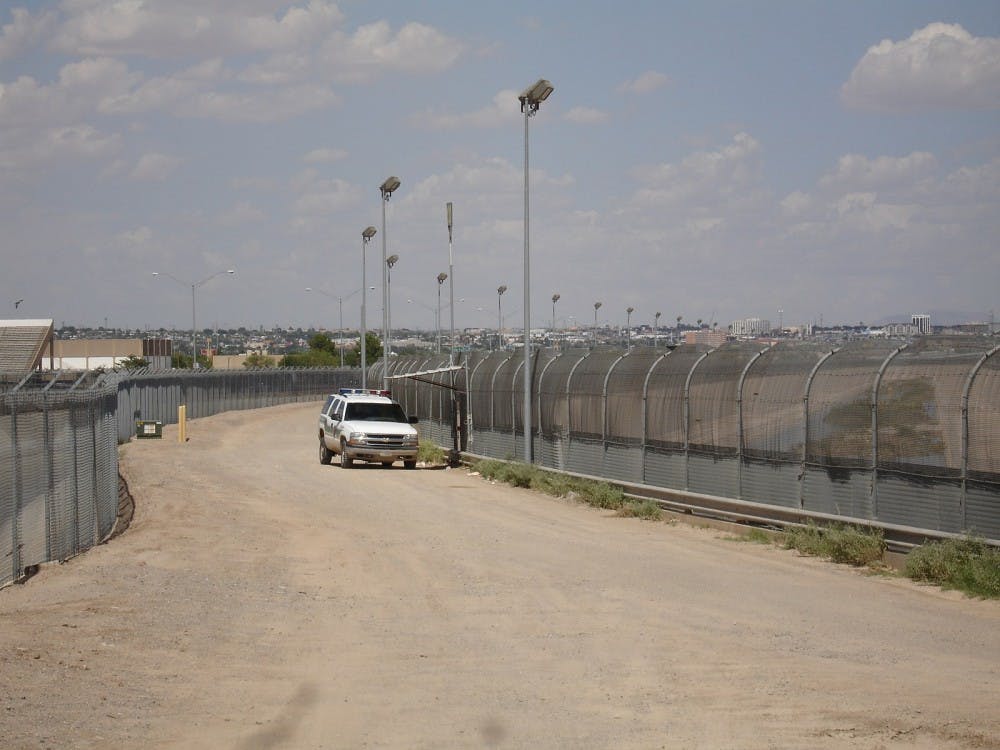
FORERO: The cries of immigrant children
By Izabella Forero | June 24, 2018It is our responsibility as a global leader to step up to the plate, and provide these children with peace and safety.

It is our responsibility as a global leader to step up to the plate, and provide these children with peace and safety.

The recent Supreme Court ruling on the Masterpiece Cakeshop case underscores the importance of government neutrality on cases of religious freedom.
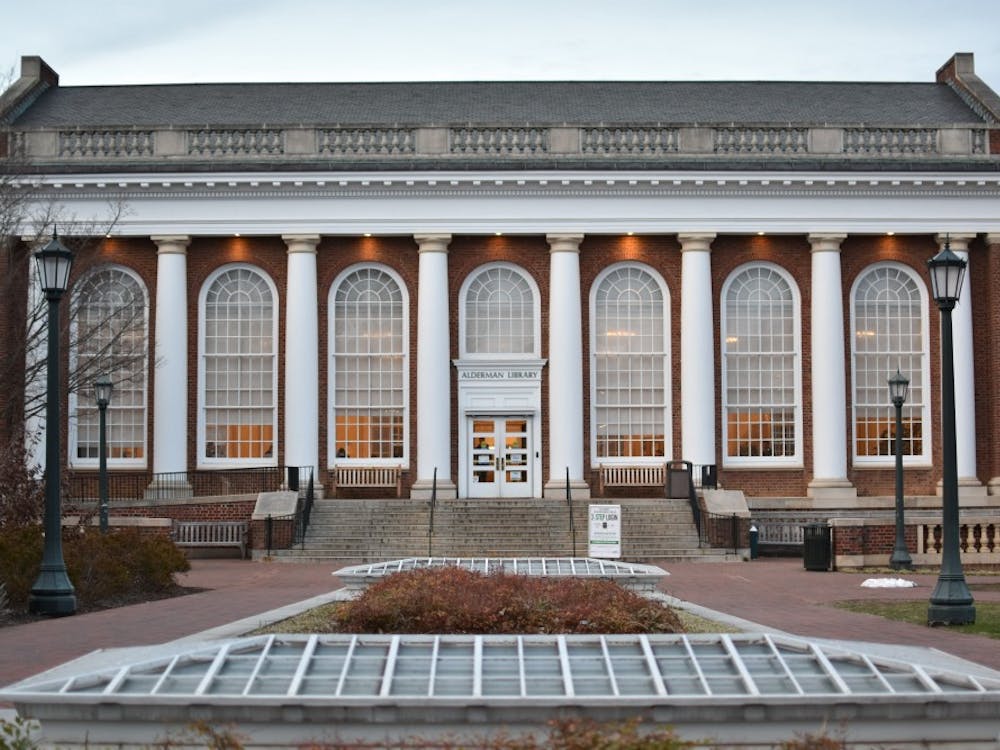
The University should know better than to turn a deaf ear to the demands of students and faculty when it comes to the library system.
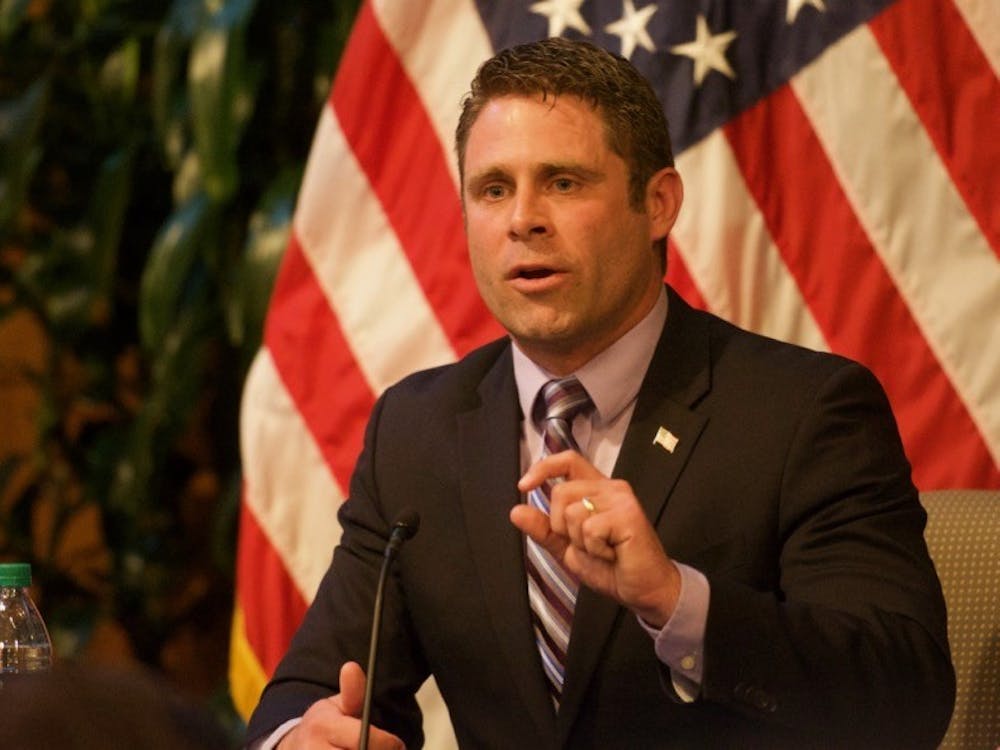
Not only does Freitas provide the most effective alternative to Kaine in the general election, but his platform has the potential resonate strongly with Virginians of varying political backgrounds.
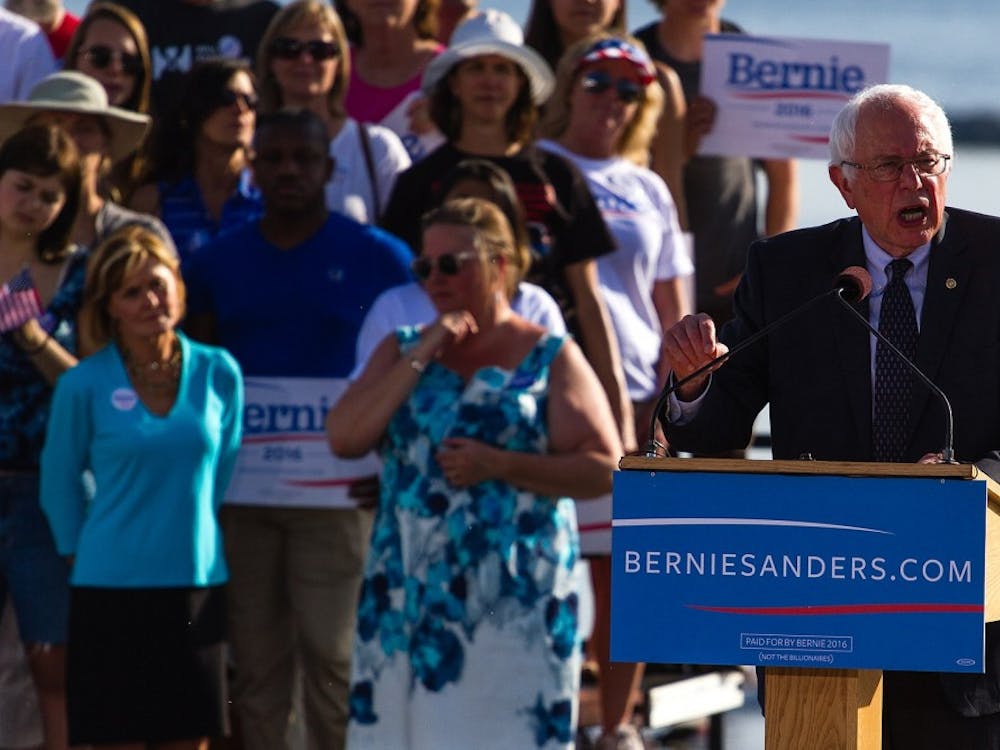
In order to become a successful party the Democrats must be able to create an agenda that both addresses the serious problems facing this country and is likely to become law.

Blind nationalism and clouded judgment ultimately leads to abuse of government power, which cannot be tolerated in this country.
Students should think about what values they seek for their University and how we can continue to strive towards full realization of those ideals.
Despite the best efforts of the United States judicial system, juries can never reach a level of perfection sufficient to determine who lives and who dies.
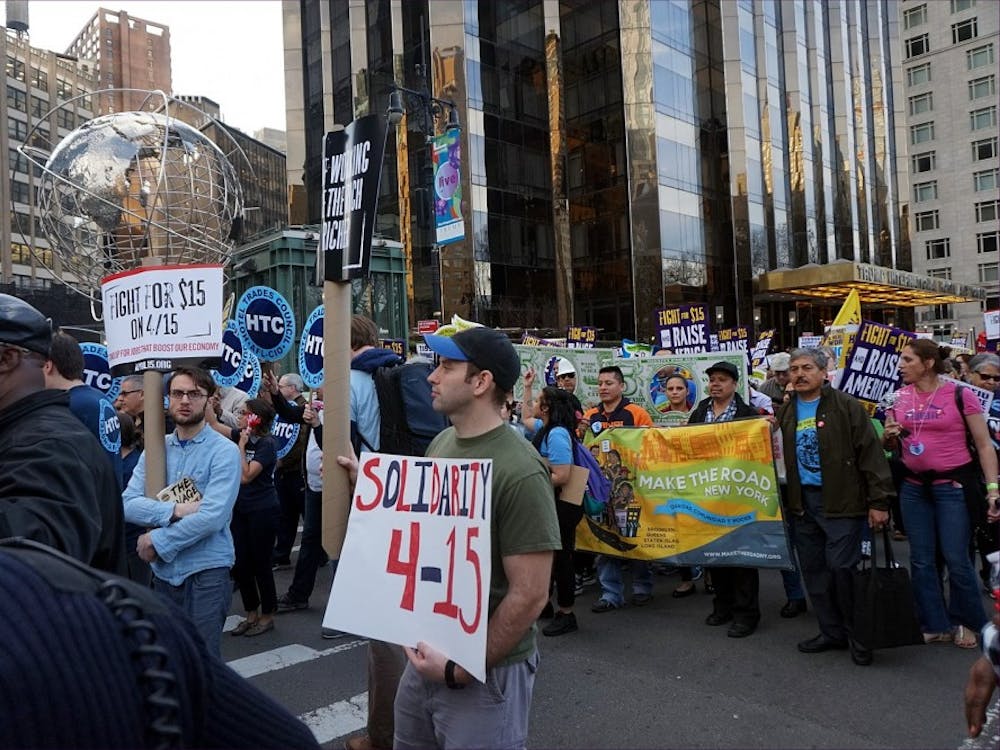
Allowing the value of the minimum wage to depreciate with inflation puts workers in an increasingly dire economic situation.
I ultimately decided to run to be editor-in-chief because I felt like I could make a difference in the paper.
Although I was initially nervous to write, I found that my voice was one that people wanted to read.
Frustrating moments and long nights were worth it because I got the chance to do what I only could have dreamed.
Life is a verb, and we are about to change tenses.
As much as I love The Cavalier Daily, I think bias is actually our primary weakness as an organization.
I no longer fear the comment section underneath each of my articles, instead, I am proud to be able to publish my own work and stand by my opinions.
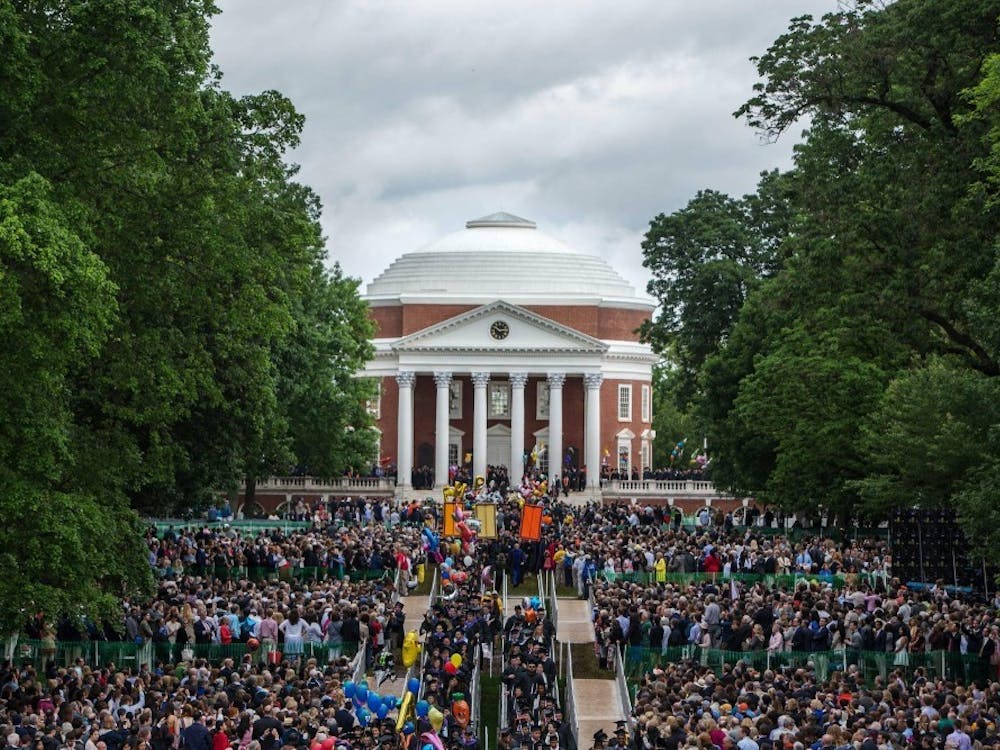
By giving a student from each graduating class a chance to speak, U.Va. would better connect with its students during the ceremony and afterwards, as students move into the next phase of their lives.
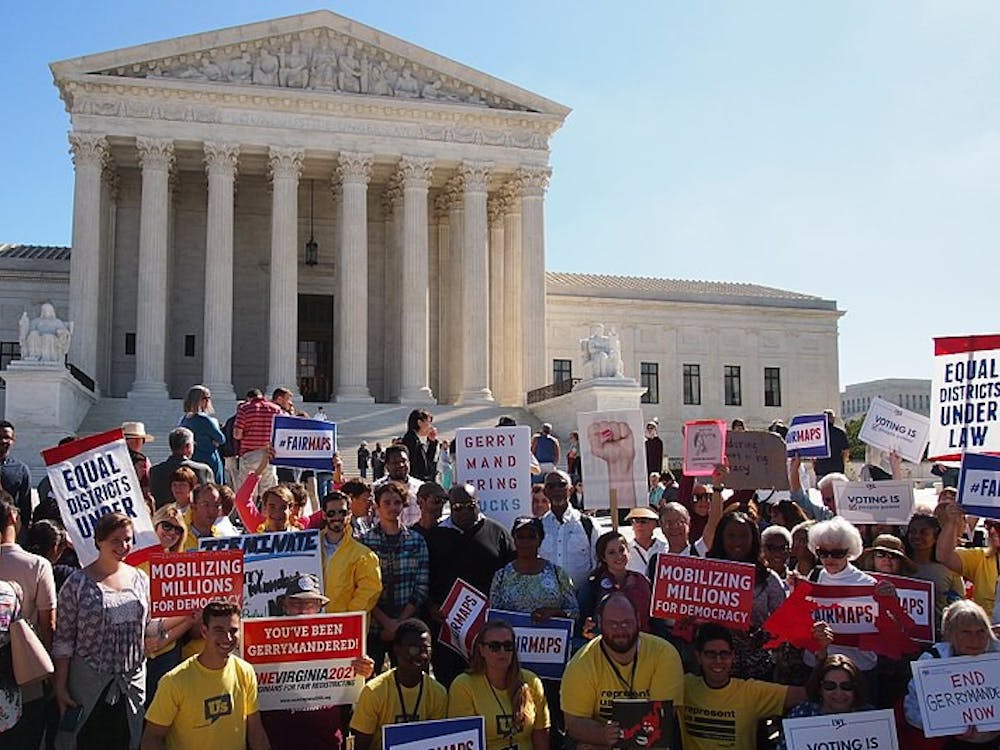
Regardless of the Supreme Court decision regarding partisan gerrymandering, Virginia should adopt an independent redistricting commission.
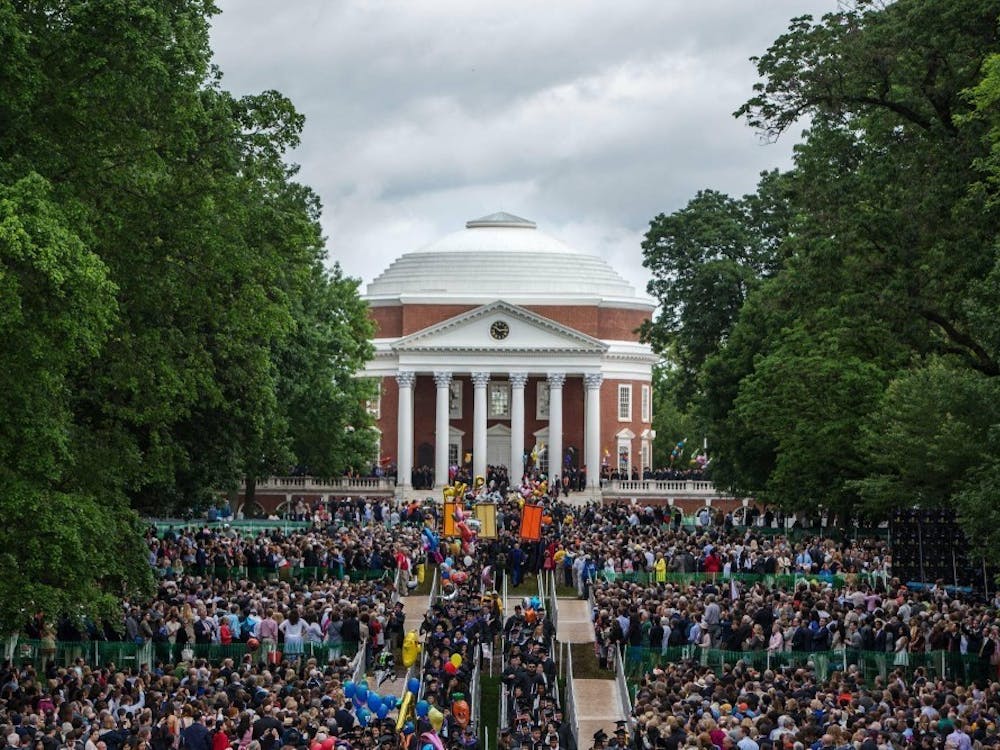
When we sell graduation tickets, we are selling something that is inherently priceless.
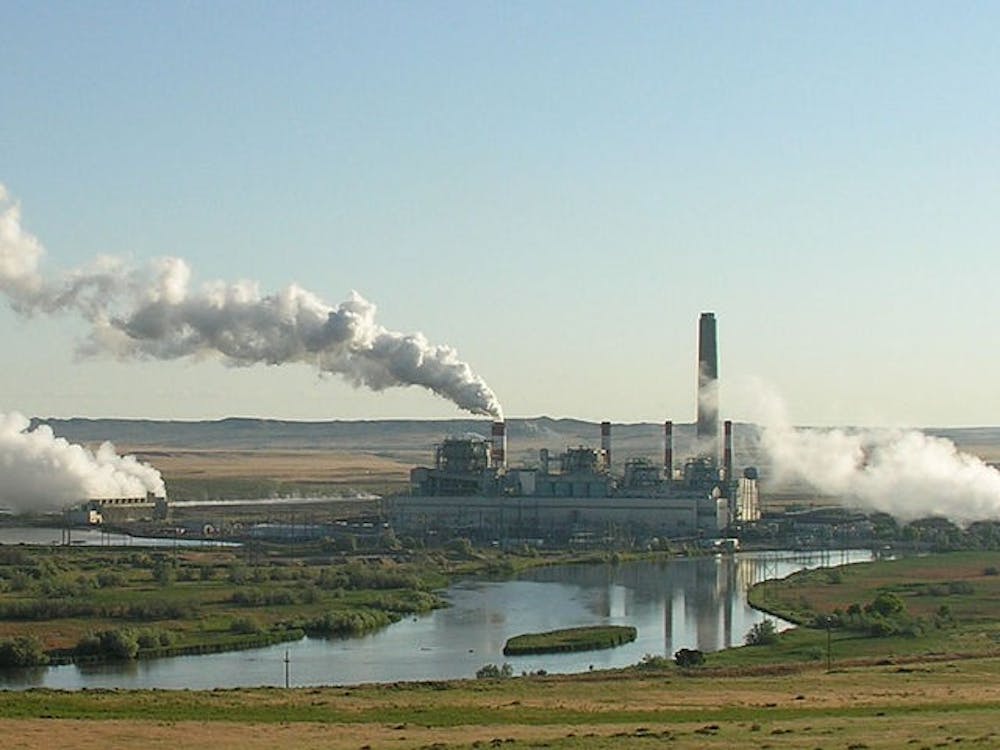
The plan harbors a foundation rooted in conservative economic principles, while simultaneously creating a path for bipartisan action to address climate change.

While summer internships offer some opportunities for students to test a career path, many internships in their design exploit student labor.